Unraveling Pricing Fluctuations in Lengthy Competitive Matches Across Global Markets
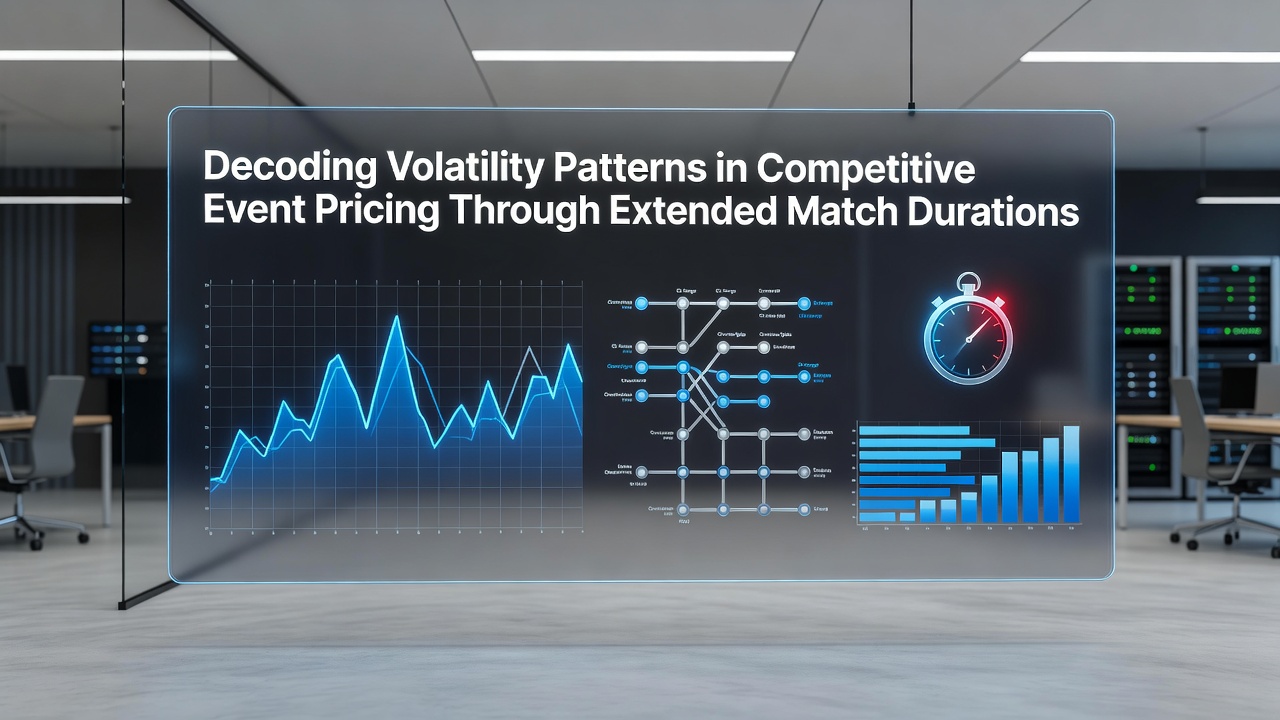 Data from recent industry analyses indicate that extended match durations create distinct volatility patterns in competitive event pricing structures, where odds and market values shift more dramatically as contests stretch beyond standard timeframes. Researchers have tracked these movements through statistical models that account for variables such as scoring rates, fatigue factors, and external conditions, revealing consistent increases in price swings once events pass typical duration thresholds. Observers note that longer contests amplify uncertainty because additional time introduces more opportunities for momentum changes and statistical outliers to emerge. In tennis matches that extend past four sets or basketball games requiring multiple overtimes, pricing systems adjust in real time to reflect widening probability ranges, and these adjustments often occur in larger increments compared to shorter events.
Core Mechanisms Behind Duration-Driven Volatility
Studies compiled by academic institutions show that volatility rises proportionally with match length due to cumulative variance in performance metrics. Teams or players experience declining consistency as physical demands accumulate, which in turn widens the distribution of possible outcomes that pricing algorithms must accommodate.
Market operators incorporate historical datasets from past extended contests to calibrate their models, allowing them to anticipate larger swings once a match enters extra periods or additional sets. This calibration process relies on regression analyses that isolate duration as an independent variable while controlling for team strength and venue effects.
Regional Market Responses in Mid-2026
Figures from North American regulatory filings reveal that platforms operating in multiple jurisdictions recorded heightened pricing adjustments during June 2026 for events featuring prolonged durations, particularly in basketball playoff extensions and soccer tournaments with added extra time. These adjustments aligned with observed increases in total points or goals scored during overtime segments.
Canadian provincial data sources further demonstrate that extended cricket and rugby matches produced similar patterns, where live pricing reflected greater dispersion around expected values once contests exceeded ninety minutes of active play. Regulatory bodies in these regions require operators to maintain transparent records of such fluctuations to ensure compliance with fairness standards.
Statistical Indicators and Modeling Approaches
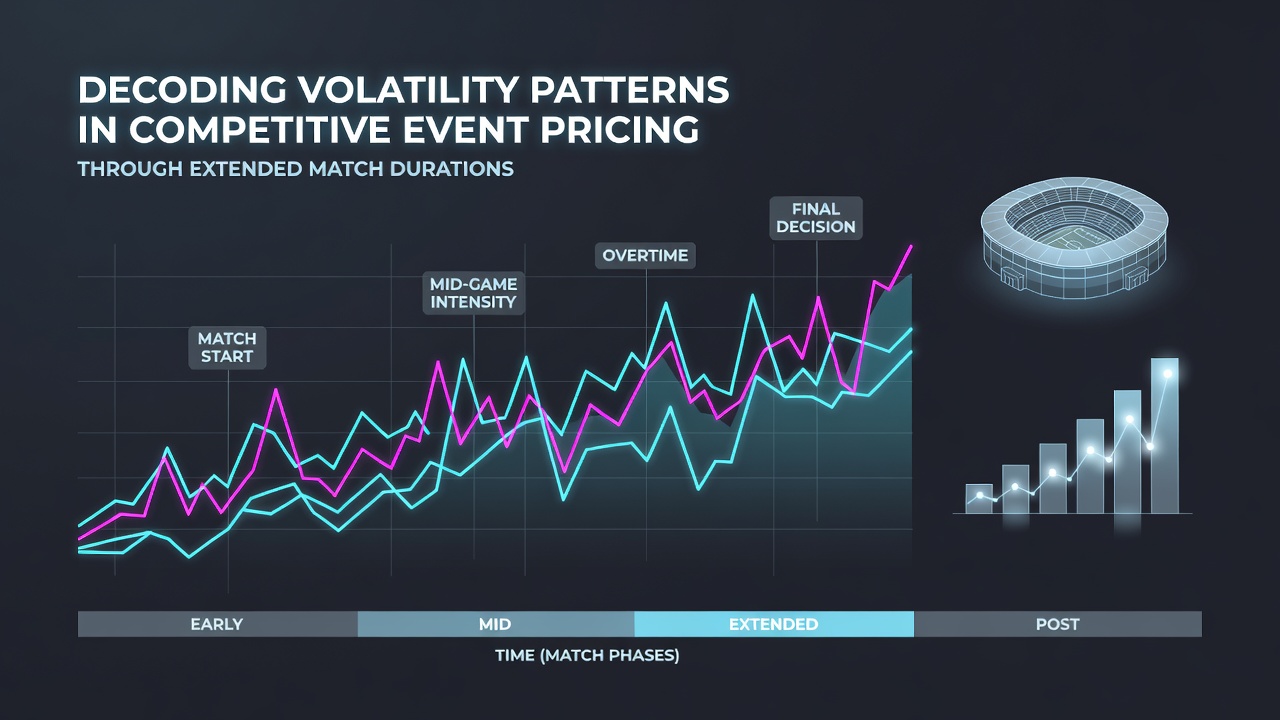
Industry reports highlight several measurable indicators that correlate with elevated volatility in extended matches. Standard deviation of point differentials tends to expand after the sixtieth minute in soccer or after the third set in tennis, prompting algorithms to recalibrate spread and total lines at accelerated rates.
Research conducted through university partnerships has produced predictive frameworks that flag potential volatility spikes based on real-time inputs like possession time and shot accuracy trends. These frameworks enable pricing engines to distribute adjustments across multiple market layers rather than concentrating changes in single categories.
Comparative Analysis Across Event Types
Comparative datasets drawn from European and Australian markets illustrate that combat sports and motorsport events with extended formats exhibit volatility signatures distinct from team ball sports. Longer rounds in mixed martial arts competitions generate pricing revisions that cluster around fighter endurance metrics, whereas endurance races produce steadier but cumulatively larger shifts tied to mechanical reliability factors.
Analysts have observed that these cross-sport differences require tailored modeling parameters, since uniform duration thresholds do not capture sport-specific fatigue curves. Organizations such as the International Center for Gaming Regulation have documented how operators adapt their systems accordingly to maintain accurate representation of shifting probabilities.
Technological Integration in Real-Time Adjustments
Software platforms now embed machine learning components that process duration-weighted variables alongside traditional statistics, resulting in more granular pricing updates during extended play. Data streams from wearable sensors and ball-tracking systems feed directly into these components, supplying continuous inputs that refine volatility forecasts as matches progress.
Implementation records from operators in multiple jurisdictions show reduced latency between observed events and corresponding price changes when these integrated systems are active. The improvements stem from automated detection of duration milestones that historically precede volatility increases.
Conclusion
Patterns identified across diverse competitive formats confirm that extended match durations systematically influence pricing volatility through expanded outcome distributions and time-dependent variance accumulation. Market participants continue to refine analytical tools that isolate these effects, drawing on regulatory datasets and academic models to enhance predictive accuracy. Ongoing developments in data integration suggest further evolution in how pricing structures respond to prolonged events.