The Rise of Dynamic Live Wagering Systems in Licensed American Markets
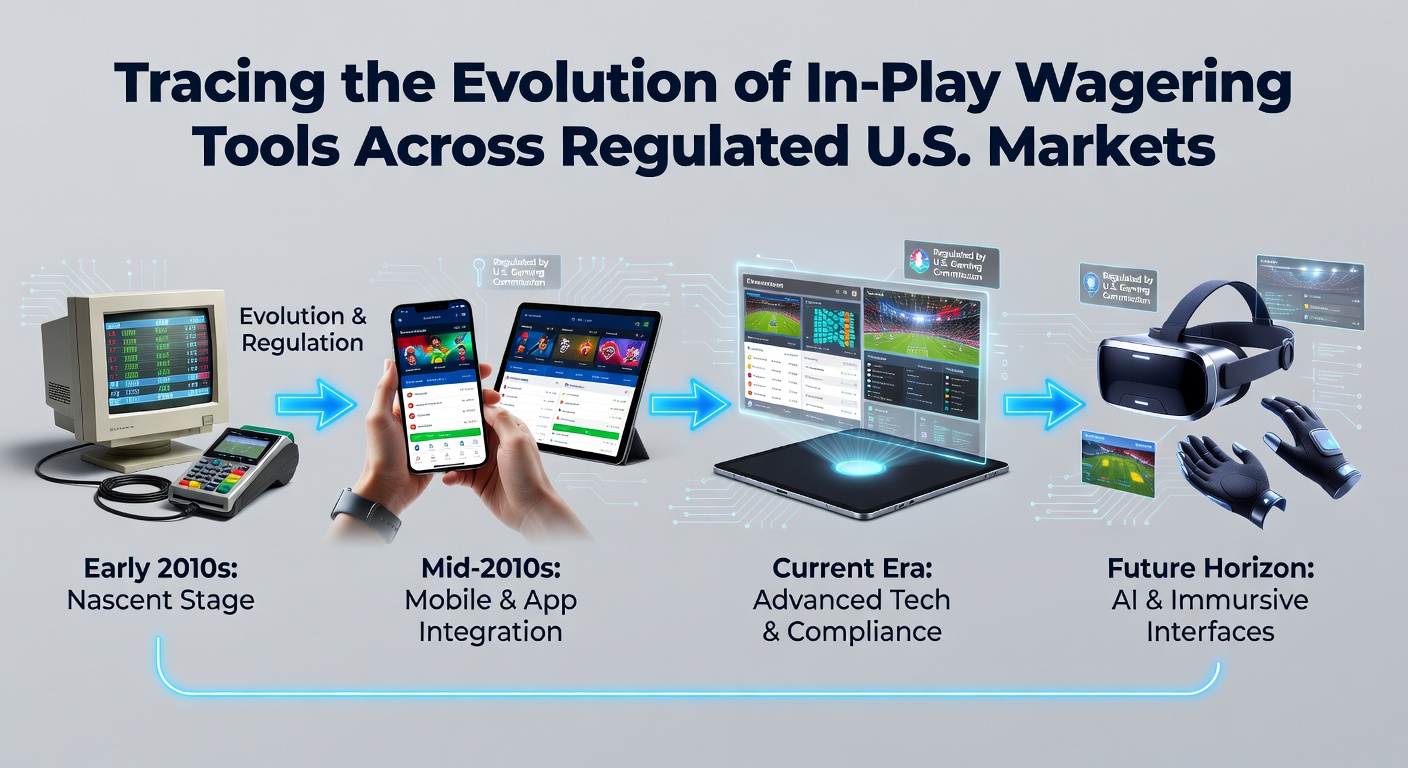
Live betting tools began with modest score tickers and static odds displays that operators rolled out shortly after the first states legalized sports wagering following the 2018 Supreme Court decision, and these initial systems relied on manual updates from control rooms where staff adjusted lines during games. Data from state regulators shows that New Jersey processed its first in-play wagers in 2018 through platforms that refreshed every thirty seconds at best, while Pennsylvania and Indiana followed similar patterns when they launched their markets the next year. Those early interfaces delivered core functions like moneyline shifts and total adjustments yet lacked the depth that later versions would provide through automated data pipelines.
From Basic Updates to Integrated Mobile Experiences
Operators expanded capabilities once mobile apps gained approval across multiple jurisdictions, and this shift allowed bettors to place wagers during timeouts or commercial breaks without switching devices. Research from industry reports indicates that by 2021 most regulated apps incorporated cash-out buttons that recalculated values in real time based on remaining game time and score differentials. States such as Michigan and Tennessee required operators to maintain audit logs for every in-play transaction, which pushed developers to build more robust back-end systems capable of handling thousands of simultaneous adjustments per minute.
What's interesting here is how partnerships between betting platforms and data providers like Sportradar accelerated the pace of change, since leagues began selling official feeds that delivered play-by-play information directly into wagering engines. Those integrations reduced latency from several seconds to under one second in many cases, and regulators in Colorado documented fewer disputes once feeds became standardized. Observers note that this period also saw the introduction of micro-markets such as next-play props that appeared and resolved within individual downs or pitches.
Data Analytics and Real-Time Decision Tools
By 2023 platforms started embedding advanced analytics dashboards that displayed expected points added alongside traditional odds, and these features drew from machine-learning models trained on historical play data. Figures from the American Gaming Association reveal that in-play handle grew to represent over 40 percent of total sports betting volume in mature markets by early 2025, reflecting how tools had evolved to support rapid decision-making during live events. Several operators introduced customizable alert systems that notified users when specific statistical thresholds were crossed, such as a quarterback exceeding a certain completion percentage in the second half.
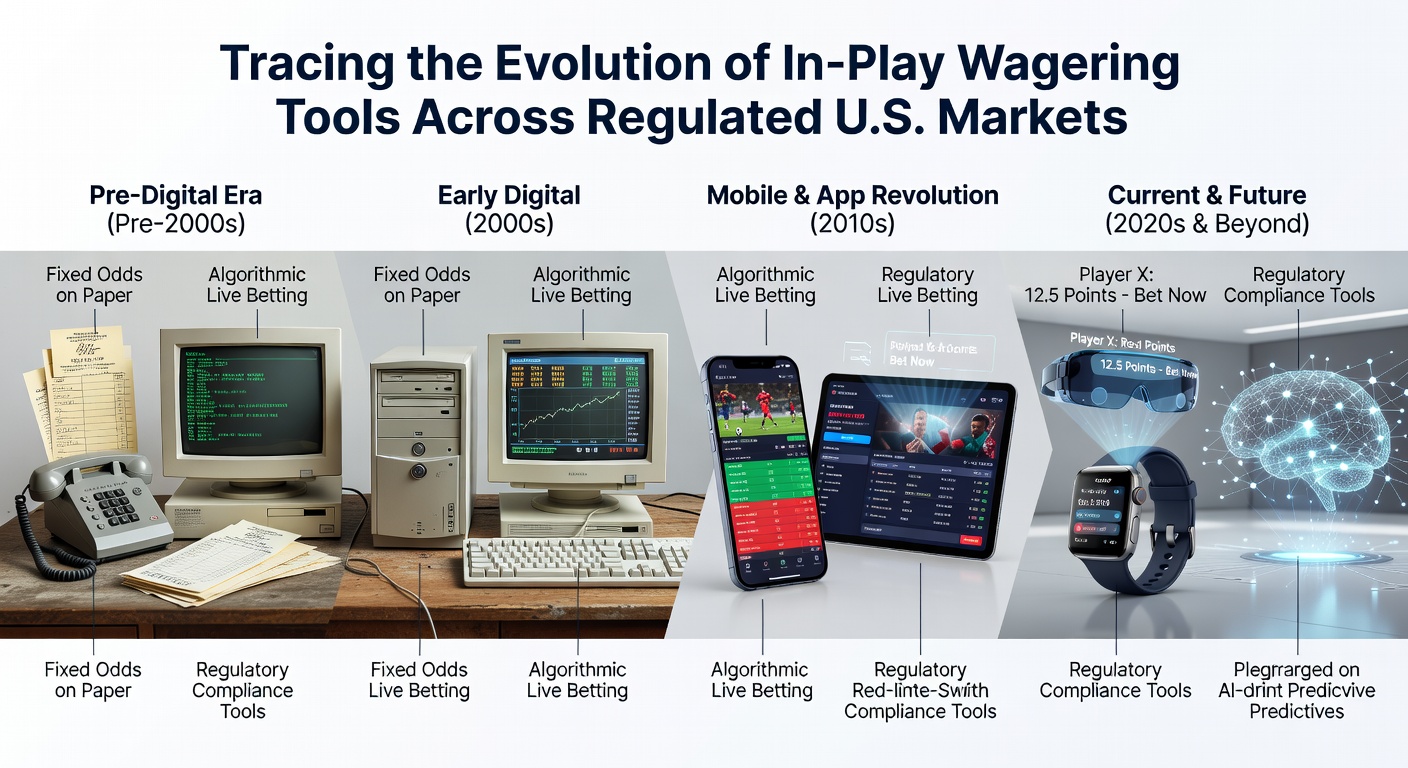
Regulators responded by updating technical standards that required operators to display clear risk warnings alongside these new features, and the Alcohol and Gaming Commission of Ontario implemented similar rules for its provincial market around the same time. Those measures ensured that tools remained transparent while still allowing the complexity that experienced users sought. Experts at research institutions tracking adoption rates found that states with earlier legalization dates tended to have higher percentages of users engaging with live tools compared to newer markets.
Current Capabilities in Mid-2026
As of May 2026 several jurisdictions have approved the use of AI-assisted interfaces that generate suggested bets based on real-time probability shifts, although operators must still obtain separate approvals for each algorithmic component. The New Jersey Division of Gaming Enforcement published updated guidelines in April that mandate human oversight for any automated recommendation engine, and comparable reviews are underway in Illinois and Maryland. Live betting volumes continue to climb in these states, with operators reporting that basketball and soccer events generate the highest proportion of in-play activity because their continuous action supports frequent market refreshes.
Platforms now routinely combine video feeds with interactive elements such as heat maps and player tracking overlays that update during broadcasts, and this integration stems from agreements between leagues and technology vendors. Data shows that average session times for live bettors have lengthened as these visual tools reduce the need to consult separate statistics sites. Yet regulators continue to monitor for potential issues around responsible gambling, requiring features like session timers and deposit limits to remain accessible within the same interface.
Conclusion
The progression from simple score updates to sophisticated, data-rich environments illustrates how regulated markets have balanced innovation with oversight across different regions. State-level commissions in the United States alongside international bodies such as the Alcohol and Gaming Commission of Ontario have shaped these developments through technical standards and reporting requirements. Current systems in 2026 reflect years of incremental improvements driven by better data feeds, mobile hardware advances, and regulatory clarity that together support secure and transparent in-play wagering for users in authorized jurisdictions.