Stadium Weather Correlations Shape Real-Time Tennis Totals Adjustments on Digital Platforms
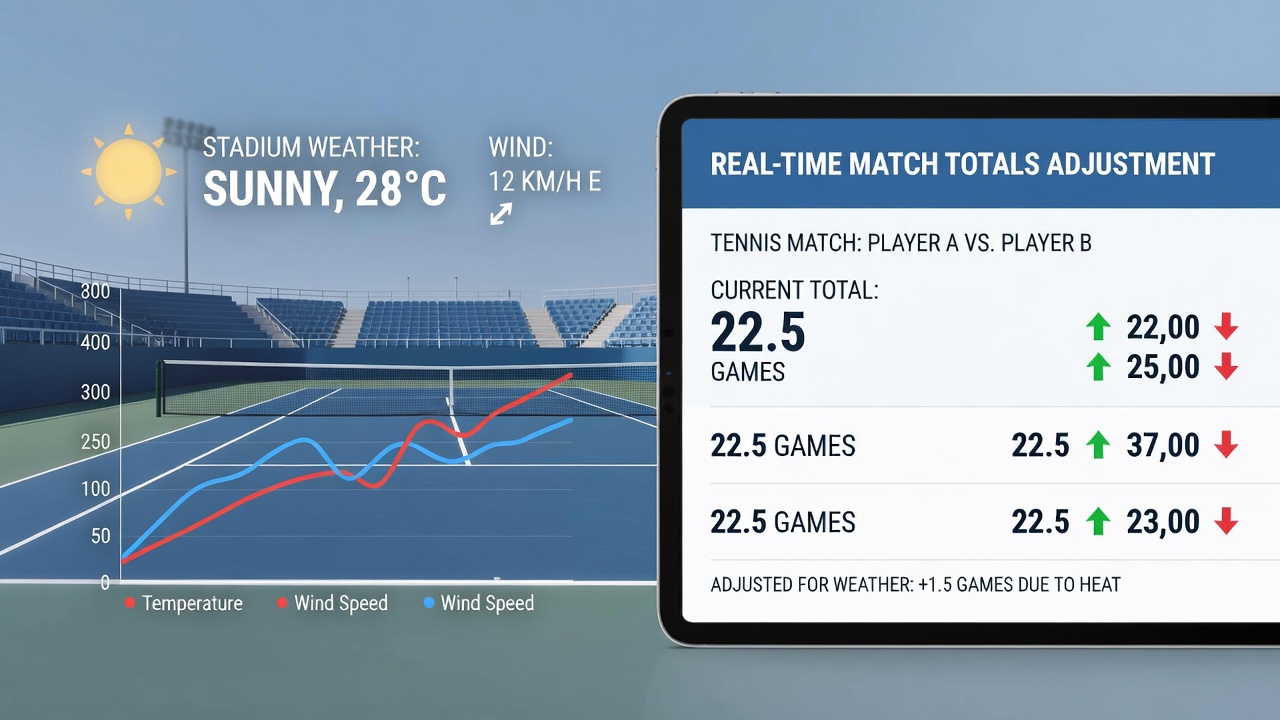
Stadium weather reports feed directly into algorithms that update tennis match totals across digital platforms, and observers note these adjustments occur when temperature, humidity, wind speed, and precipitation data cross specific thresholds. Data from multiple Grand Slam venues shows that ball speed decreases by roughly 2 percent for every 5 degree Celsius drop below 20 degrees, prompting platforms to recalibrate over-under lines within seconds of receiving updated meteorological feeds. Researchers at several sports analytics firms track these shifts during major events, including those held in June 2026, and they document how wind gusts above 25 kilometers per hour correlate with higher unforced error rates that shorten rallies and push set totals downward.
Data Sources and Integration Methods
Venues install automated weather stations that transmit readings every 60 seconds to centralized servers operated by betting operators, while these stations measure variables such as court surface temperature, atmospheric pressure, and dew point that affect ball bounce and player grip. Platforms combine this information with historical performance datasets from the same stadiums, allowing models to predict whether a given match will exceed or fall short of projected game counts. According to figures released by the Australian Bureau of Meteorology, outdoor hard-court events experience measurable pace changes when relative humidity exceeds 70 percent, and operators apply these findings to adjust totals before the first serve of each set.
Analysts at academic institutions have examined correlations between wind direction and serve percentages, discovering that cross-court gusts reduce first-serve accuracy by up to 8 percent in exposed stadiums. Digital systems incorporate these variables through machine-learning pipelines that weigh recent weather observations more heavily than older data, which produces more responsive line movements during live matches. One study published by a European sports science consortium found that rain delays followed by rising humidity often lead to longer average rally lengths, prompting upward revisions to game totals once play resumes.
Platform Response Times and Market Impact
Operators receive stadium feeds through secure APIs that trigger automated recalibrations, and these updates appear on user interfaces within 90 seconds of a significant weather change. In June 2026, several platforms recorded thousands of totals adjustments during the grass-court swing, with wind-related shifts accounting for the largest single category of revisions. Traders monitor these movements alongside player injury reports and historical head-to-head statistics, creating layered models that refine opening lines as conditions evolve.
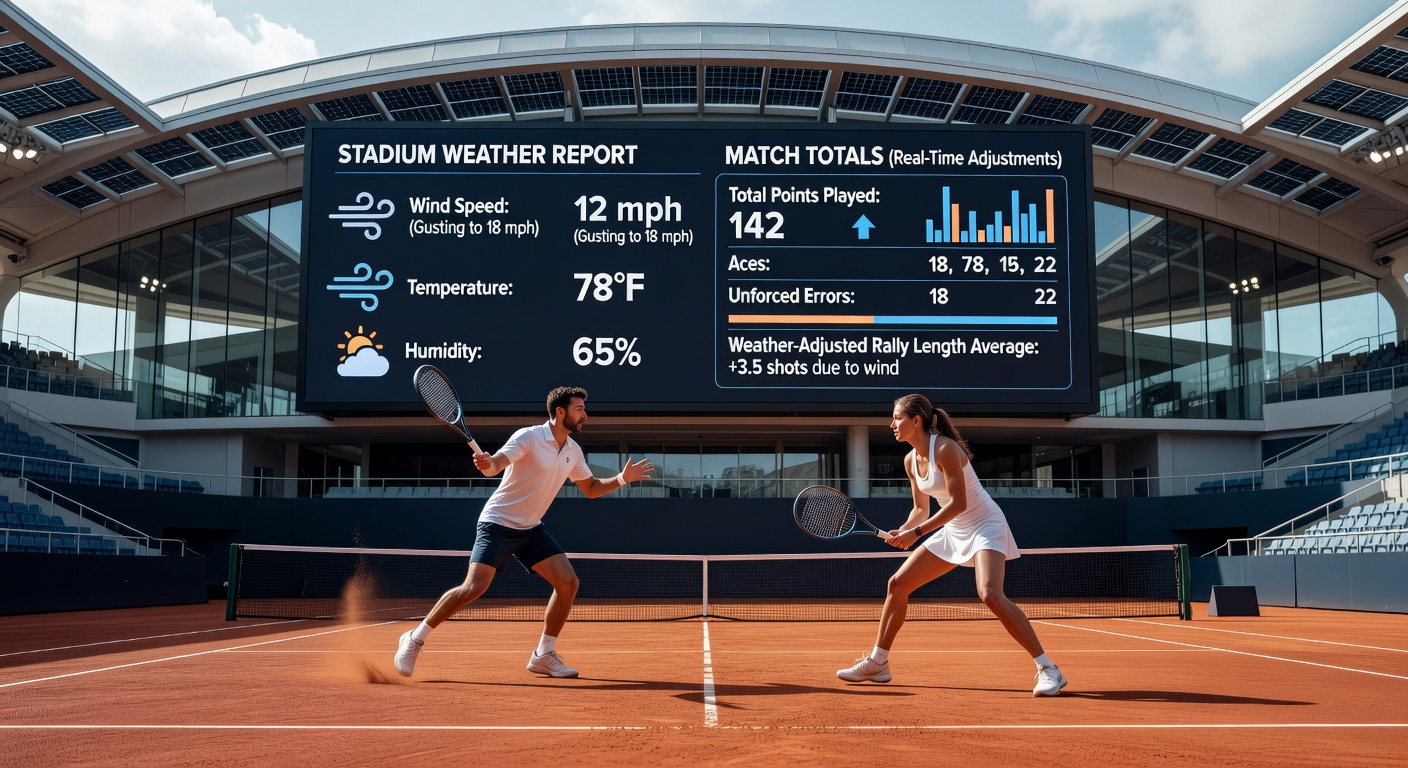
Market liquidity data indicates that bettors respond quickly to weather-driven adjustments, particularly when totals move by half a game or more. Platforms report increased volume on under selections during high-wind periods, while over wagers rise when humidity drops and balls travel faster through drier air. Observers note that these patterns hold across both ATP and WTA events, although the magnitude of adjustments varies by surface type and stadium architecture.
Regulatory Context and Data Standards
Gaming regulators in multiple jurisdictions require operators to maintain audit trails that link weather inputs to line changes, ensuring transparency in how external data influences market pricing. The Australian Communications and Media Authority has issued guidelines on the use of third-party meteorological sources, while similar frameworks in Canada emphasize verification of data accuracy before adjustments reach retail customers. Industry groups such as the European Gaming and Betting Association have published best-practice documents that recommend minimum update frequencies and redundancy protocols for weather feeds during outdoor events.
Platforms employ multiple independent weather providers to cross-validate readings, reducing the risk of erroneous adjustments caused by sensor malfunctions. When discrepancies arise between sources, systems default to the most conservative line movement until operators can confirm ground conditions through on-site personnel. This layered approach has become standard practice ahead of major tournaments scheduled for June 2026 and beyond.
Conclusion
Stadium weather reports now form a core component of real-time tennis totals management on digital platforms, with operators integrating meteorological data through automated pipelines that respond to changing conditions within seconds. Research from meteorological agencies and sports analytics groups continues to refine the specific thresholds that trigger adjustments, while regulatory bodies maintain oversight of data integrity. As tournaments progress through the 2026 season, these correlations remain central to how markets reflect live environmental factors at each venue.