Prediction Markets Capture Larger Slice of U.S. Sports Betting During 2026 World Cup
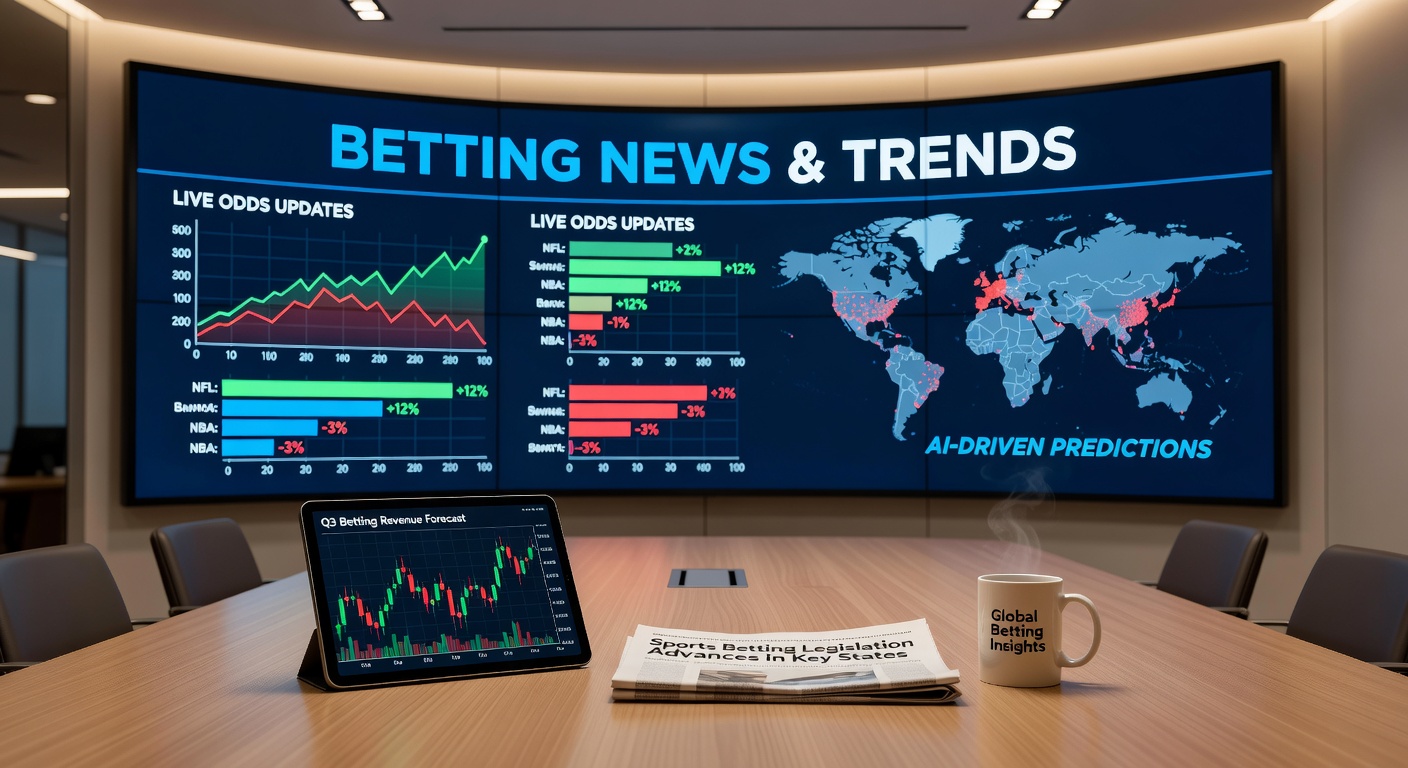
Prediction-market platforms such as Kalshi and Polymarket expanded their presence in U.S. sports betting throughout the 2026 FIFA World Cup, and the shift produced measurable changes in market share during July 2026. Industry figures show these platforms reached an estimated 27 percent of legal betting volume, an increase from the 9 percent recorded earlier in the year. The growth occurred while the tournament drew widespread attention, and operators reported higher engagement across federally regulated prediction markets.
Record Trading Activity at Kalshi
Kalshi achieved new trading records during the event, and the platform added millions of users in a short period. Daily trading volumes rose steadily as matches progressed, while user registrations accelerated in response to available contracts on game outcomes. Observers note that these increases coincided with the tournament schedule, and platform data reflected sustained participation across multiple rounds. The expansion in active accounts contributed directly to the overall rise in prediction-market volume, and Kalshi maintained operational capacity without reported interruptions.
Analysts tracking user metrics found that Kalshi's daily app usage exceeded that of several traditional sportsbooks during peak tournament days. This pattern emerged as bettors explored contract-based trading alongside conventional wagers, adn the difference appeared in session length and frequency statistics. Data collected through the event period indicates that prediction-market interfaces handled elevated traffic levels, and system performance remained stable under the increased load.
Shift in Legal Betting Volume
The move toward prediction markets altered the distribution of legal betting activity across platforms, and the 27 percent share represented a clear departure from earlier benchmarks. Traditional sportsbooks such as FanDuel and DraftKings continued to process substantial volumes, yet their relative portion of the total declined as prediction-market activity grew. Figures compiled during the World Cup show this reallocation occurred across multiple states with licensed operations, and the trend aligned with broader adoption of regulated prediction contracts.
Platform Comparison and User Engagement
Direct comparisons between prediction markets and established sportsbooks revealed differences in daily interaction patterns, and Kalshi recorded higher average app sessions on several tournament dates. Users accessed markets for specific match results and tournament stages, while engagement metrics reflected repeated visits throughout the competition. Researchers examining these patterns noted that prediction-market interfaces presented outcomes in contract form, and this format drew participants who sought alternatives to standard point-spread or moneyline bets.
Polymarket also experienced volume increases during the same period, and its market share contribution helped drive the combined 27 percent figure. Both platforms operated under federal regulatory frameworks that distinguish prediction contracts from traditional sports wagers, and this distinction shaped how operators structured offerings. Data released after the group stage and knockout rounds confirmed continued growth in active traders, and the platforms reported expanded liquidity in event-specific contracts.
Regulatory Context and Market Dynamics
Federally regulated prediction markets function under oversight structures separate from state-licensed sportsbooks, and this framework allowed platforms like Kalshi and Polymarket to offer contracts tied to World Cup outcomes. The regulatory separation influenced product design and participant access, while legal betting volume shifted accordingly during the tournament window. Reports covering July 2026 document the resulting competition, and the 18-percentage-point increase in share occurred within this established legal environment.
Traditional operators maintained their core offerings throughout the event, yet prediction markets demonstrated stronger gains in certain usage categories. Volume redistribution reflected user preferences for contract-style trading on match results, and aggregate figures captured this movement across the legal market. Observers tracking the sector recorded the changes without attributing causation beyond the reported platform activity and tournament timing.
Conclusion
The 2026 FIFA World Cup period produced documented growth for prediction-market platforms, and Kalshi along with Polymarket accounted for a larger portion of legal U.S. betting volume by the conclusion of the tournament. Record trading levels, expanded user bases, and elevated app engagement marked Kalshi's performance, while teh combined share reached 27 percent. These developments occurred alongside continued operations by established sportsbooks, and the resulting market distribution reflects measurable activity during the specified event window.