Optimizing Promotional Credit Distribution in Football Spreads and Basketball Totals
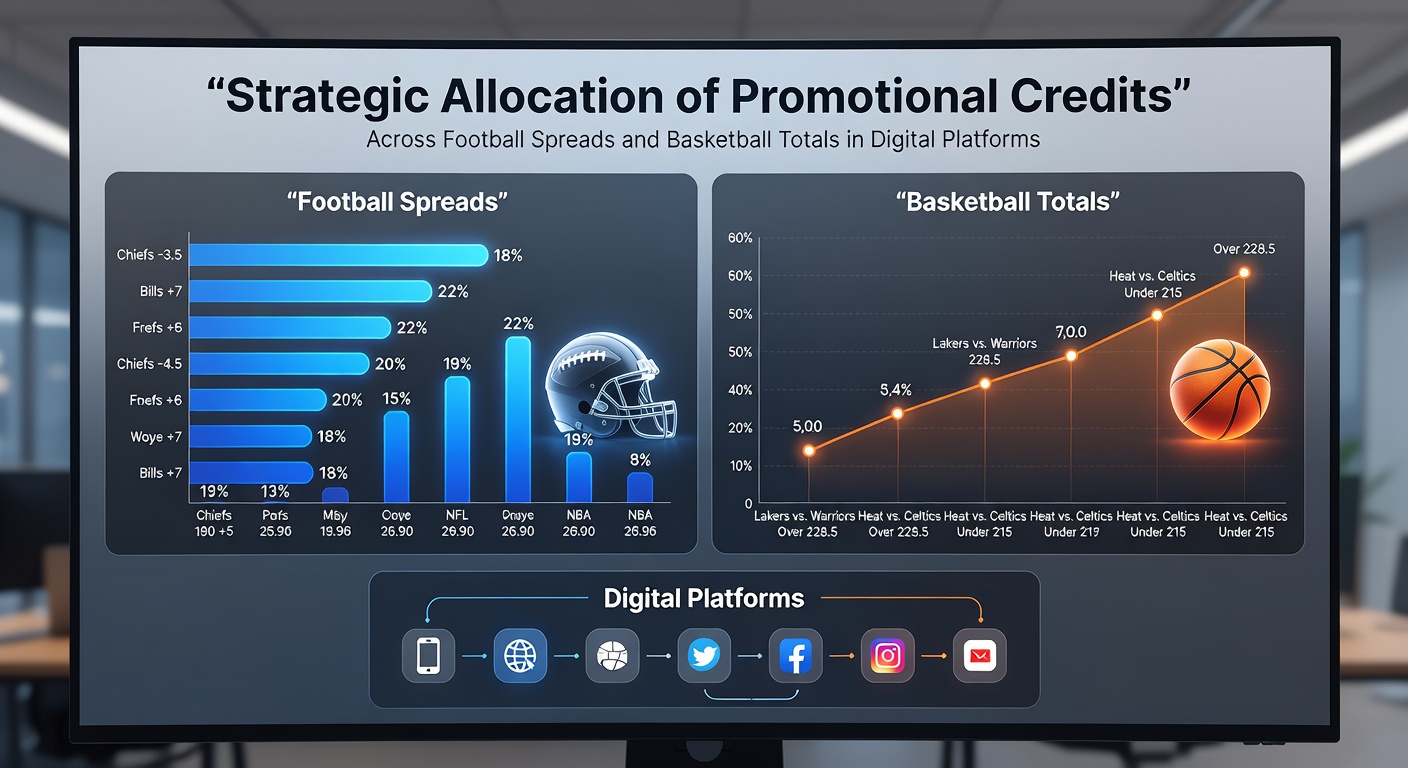
Digital platforms have developed structured approaches to distributing promotional credits across football spreads and basketball totals, with systems designed around user engagement metrics and market volatility patterns. These credits often appear as deposit matches, risk-free bets, or bonus funds that users can apply to specific wager types, and operators track redemption rates closely through backend analytics that update in real time.
Core Mechanics of Credit Allocation Systems
Operators segment promotional credits by sport and bet category because football spreads tend to draw steadier volume while basketball totals fluctuate more sharply during conference play. Data from platform dashboards in early 2026 shows that football-related credits frequently carry higher minimum odds thresholds, whereas basketball total credits receive shorter expiration windows to encourage quicker decisions during live games. This segmentation allows platforms to balance liability across correlated and uncorrelated markets, and users who monitor their account dashboards notice tiered offers that adjust based on prior activity in each category.
Allocation algorithms factor in historical hold percentages, with football spreads typically showing tighter margins than basketball totals during peak seasons. Platforms therefore route larger credit pools toward basketball when totals lines move rapidly, and they shift emphasis to football spreads when injury reports stabilize lines ahead of Sunday matchups. Users receive notifications that detail eligible markets, and the system logs every redemption to refine future offers automatically.
Football Spreads and Credit Deployment Patterns
Football spreads attract promotional credits that often require users to cover both sides of a contest before full withdrawal eligibility activates. Platforms set these requirements because spreads generate balanced action on favorites and underdogs, which reduces overall risk exposure. In May 2026, several major operators updated their football credit structures to include parlay bonuses that combine spreads from multiple weeks, and users who activate these offers see adjusted rollover conditions displayed in their account summaries.
Research from the University of Nevada, Las Vegas International Gaming Institute indicates that credit redemption rates for football spreads peak during the first two weeks of conference play, after which platforms reduce the size of individual offers to maintain sustainable liability levels. Users who study line movement reports can identify periods when credits align with favorable spread values, and many platforms now provide historical data exports that support this type of analysis.
Basketball Totals Allocation Strategies
Basketball totals receive promotional credits that frequently emphasize over/under combinations because totals markets exhibit higher variance across back-to-back game schedules. Platforms allocate smaller individual credit amounts to basketball totals compared with football spreads, yet they issue these credits more frequently during the latter half of the regular season when player rest patterns influence scoring outputs. The system tracks average points per game trends and adjusts credit values accordingly, sending targeted messages to users who have shown interest in totals markets.
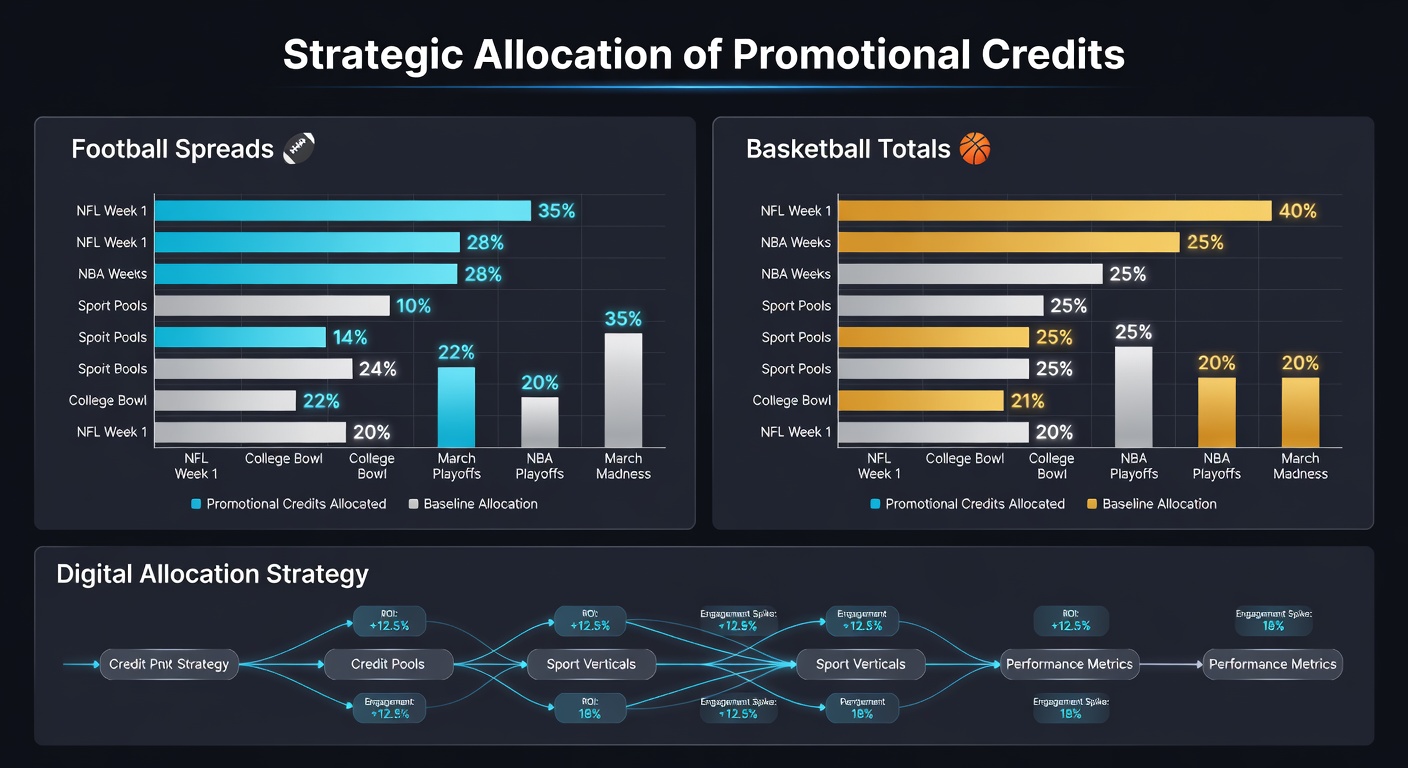
According to figures released by the Nevada Gaming Control Board, basketball totals accounted for approximately 28 percent of all promotional redemptions in licensed digital markets during the first quarter of 2026. Operators respond by capping total-specific credits at lower maximum values while extending the number of eligible games per credit, which encourages repeated engagement without concentrating liability on any single contest.
Platform Tools and User Interfaces
Modern interfaces present promotional credits through dedicated sections that filter by sport and bet type, allowing users to view available football spread offers alongside basketball totals options in a single view. These dashboards update eligibility rules based on account history and current market conditions, and they display remaining rollover requirements in real time. Users who navigate between football and basketball sections observe that credit values sometimes differ even when the nominal bonus amount appears identical.
Integration with third-party data feeds enables platforms to trigger credit adjustments when spreads or totals move beyond predetermined thresholds. This automation reduces manual oversight while maintaining compliance with state-specific advertising rules, and it provides users with clearer visibility into how their credits align with current lines.
Regulatory Framework and Compliance Measures
State regulatory bodies require operators to maintain transparent records of promotional credit distribution, including the proportion allocated to football spreads versus basketball totals. These requirements ensure that marketing materials accurately represent redemption conditions and that users cannot combine credits in ways that violate house rules. Platforms therefore embed compliance checks directly into their allocation engines, which flag any offers that exceed permitted thresholds before they reach user accounts.
Industry associations such as the European Gaming and Betting Association have published guidelines that encourage operators to separate credit pools by sport category, and several U.S. states have adopted similar reporting standards. Users benefit from these measures because they receive consistent information about expiration dates, eligible markets, and withdrawal restrictions regardless of which platform they use.
Conclusion
Strategic allocation of promotional credits across football spreads and basketball totals continues to evolve as platforms refine their data models and regulatory expectations tighten. Users who review account notifications and line movement tools can identify opportunities where credits align with favorable market conditions, while operators maintain balanced exposure through segmented distribution rules. Continued advancements in analytics will likely shape future credit structures as digital markets expand into additional states throughout 2026 and beyond.