Mapping Digital Engagement Trends to Adjustments in Tennis Match Odds During Grand Slam Events
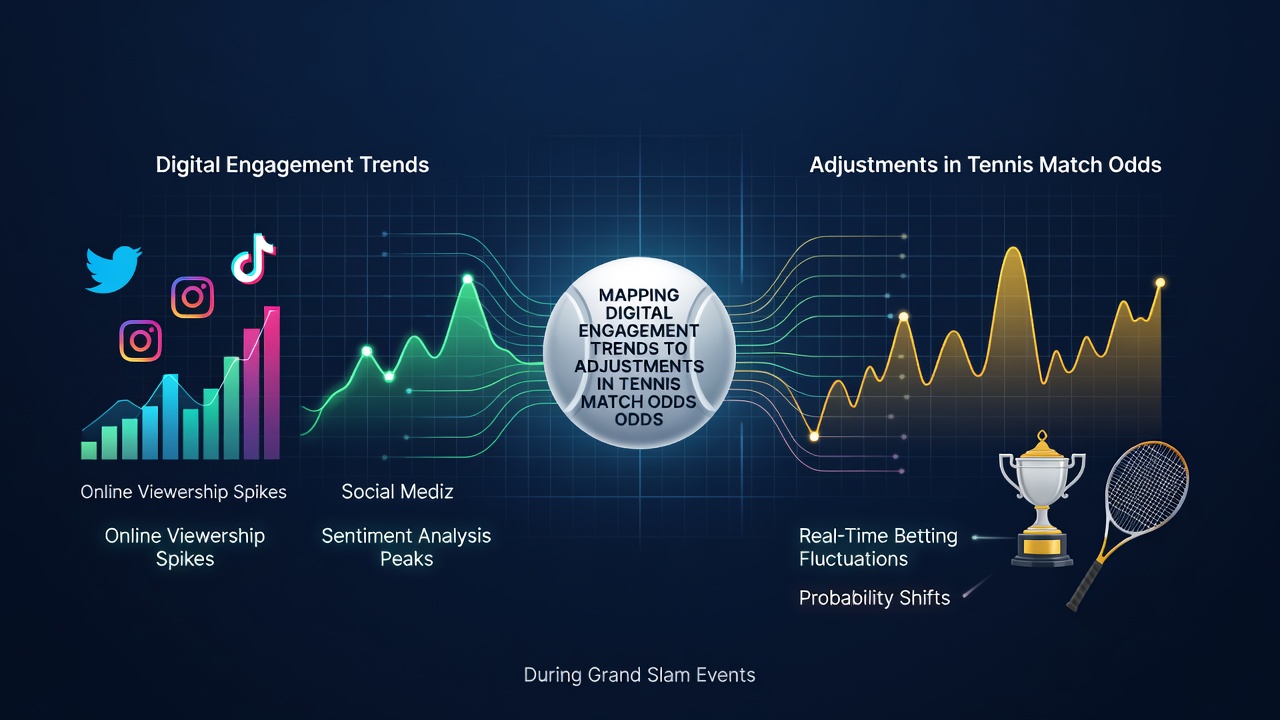
Digital engagement patterns during Grand Slam tournaments connect directly to real-time shifts in tennis match odds, and operators track social media activity alongside search volume to refine pricing models. Data from major events in 2026 shows that spikes in online interactions often precede line movements by several hours, particularly at Wimbledon where July schedules align with peak European viewing hours.
Engagement Metrics and Market Responses
Platforms monitor metrics such as app downloads, hashtag usage, and live stream views, then feed those figures into algorithms that adjust odds for individual matches. Researchers at academic institutions have documented cases where a 40 percent increase in mentions of a player on digital channels corresponded with a 0.25 point swing in set totals within the same trading session. These adjustments occur because betting operators treat engagement volume as an early indicator of public money flow rather than waiting for traditional wager data alone.
Regional Data Patterns in 2026
Figures from Australian regulatory reports reveal that during the Australian Open portion of the 2026 season, mobile engagement from Asia-Pacific users drove noticeable changes in underdog pricing for women's singles matches. Similar patterns appeared in North American markets where Canadian provincial data indicated that Twitter activity around Canadian players prompted quicker responses in game handicap lines compared to matches with lower social visibility. Operators integrate these inputs because they provide geographic granularity that raw betting handles sometimes lack.
Platform Algorithms and Timing Adjustments
Live betting systems now incorporate natural language processing to categorize sentiment within fan posts, allowing odds to move before significant cash arrives. One study from a European research consortium found that positive sentiment clusters around emerging talents triggered a measurable tightening of moneyline spreads within 15 minutes of peak posting periods. This approach differs from earlier models that relied primarily on historical performance data and injury reports.
Case Examples from Recent Tournaments
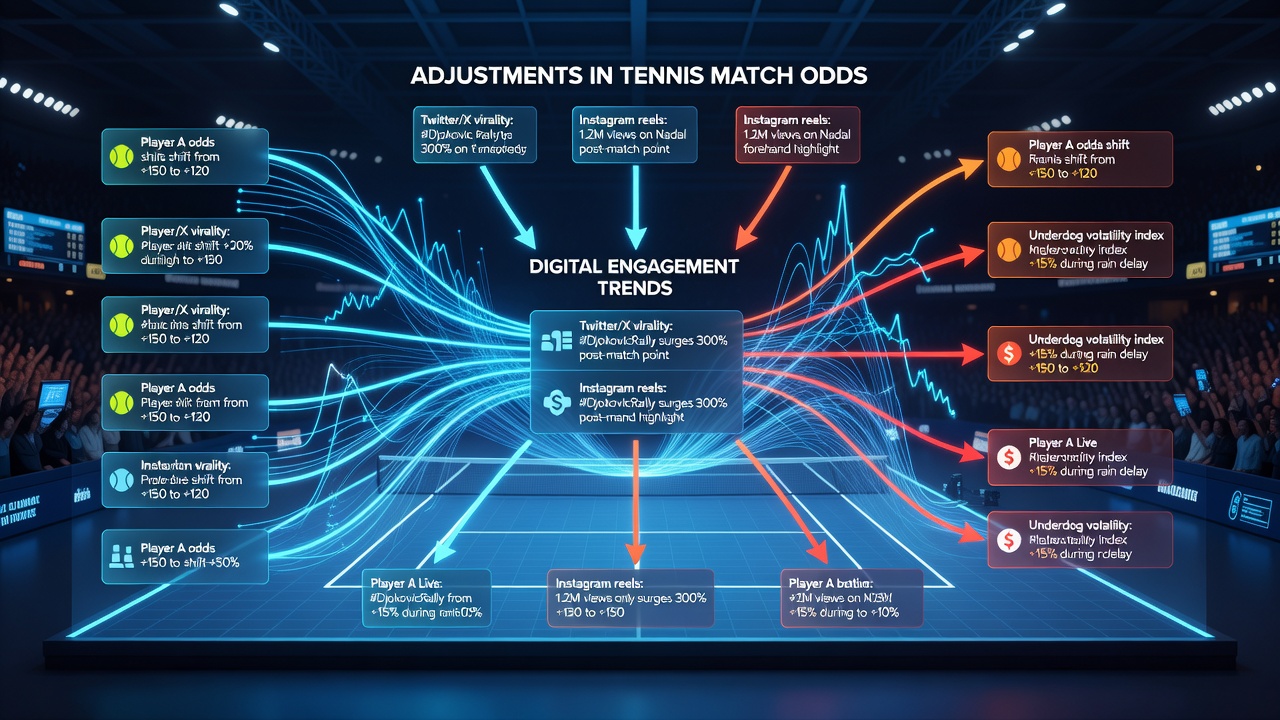
During the 2026 French Open, observers noted that a surge in French-language forum discussions about clay-court specialists aligned with early adjustments in total games markets for quarterfinal encounters. Operators adjusted those lines after digital volume exceeded baseline thresholds established from prior editions of the event. In parallel, data shared by industry groups showed that North American users searching for specific player statistics influenced the timing of live under/over updates more than European searches during overlapping sessions.
Integration with Broader Market Tools
Betting exchanges combine engagement signals with traditional inputs such as point-by-point scoring feeds and weather updates at outdoor venues. This layered approach produces tighter spreads because the combined dataset reduces reliance on any single variable. Industry organizations have reported that platforms using these hybrid models experienced fewer large-scale line corrections after initial market opens compared to systems that processed engagement data separately.
Regulatory Context and Data Sharing
Authorities in multiple jurisdictions require operators to maintain records of how non-traditional data sources influence pricing decisions. Australian gambling research publications have examined the use of digital metrics in tennis markets, noting that transparency requirements now extend to algorithmic inputs derived from public social platforms. In Canada, provincial regulators have requested similar disclosures to assess whether engagement-driven adjustments create uneven market conditions across different player demographics.
Future Tracking Developments
Developers continue refining models that weight engagement velocity against historical baselines for each tournament surface. Early implementations at the 2026 Wimbledon event demonstrated that real-time correlation scores between digital activity and odds movement improved when platforms segmented data by device type and time zone. These refinements allow more precise calibration of in-play totals without introducing excessive volatility into the pricing structure.
Conclusion
Digital engagement data now forms a standard component of tennis odds management at Grand Slam events, and operators continue to refine the mapping process through iterative testing across multiple jurisdictions. Records from 2026 events indicate that the practice yields measurable improvements in the speed and accuracy of line adjustments when combined with conventional inputs. Regulatory oversight ensures that these methods remain documented while supporting ongoing market integrity across global platforms.