Examining Roster Shifts and Their Effects on Opening Odds in Professional Football Markets
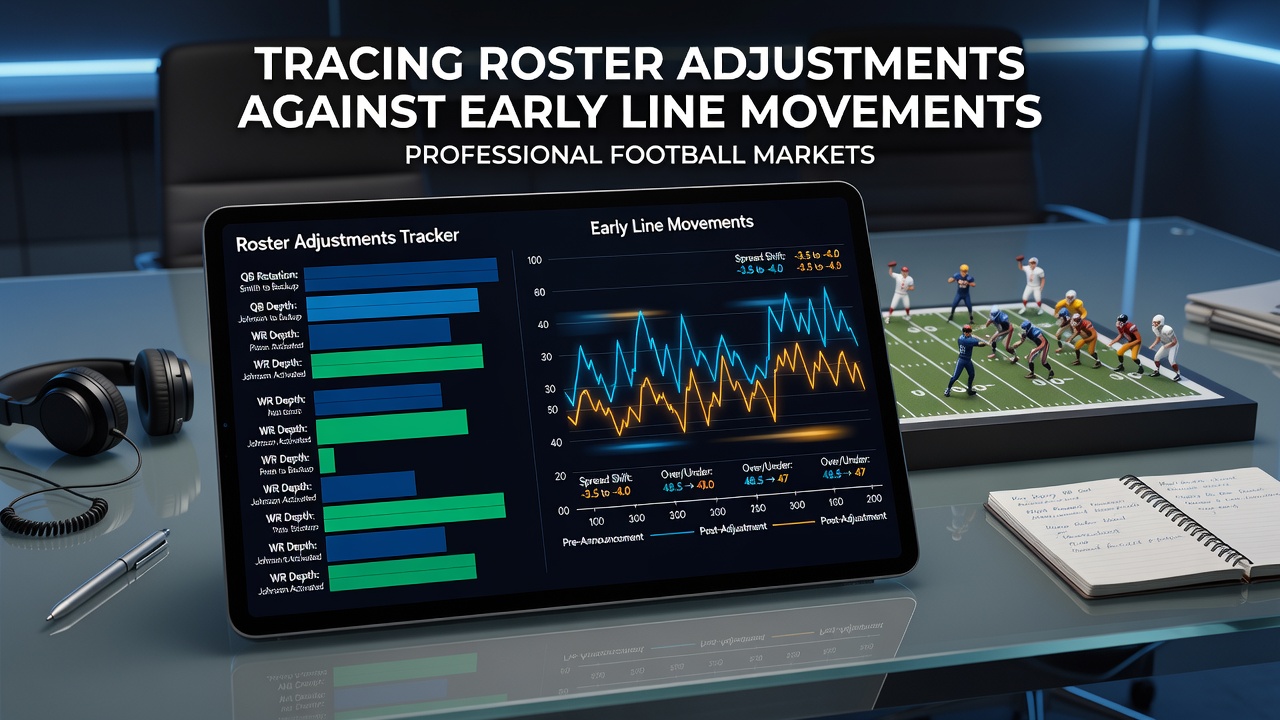
Professional football markets respond quickly when teams announce roster adjustments during the offseason and training camp periods, and observers track these developments against teh initial line movements that follow in licensed betting environments across the United States and other regulated jurisdictions. In June 2026, several NFL clubs completed key trades and injury recoveries that altered depth charts, prompting oddsmakers to recalibrate opening spreads and totals within hours of the announcements. Data from state gaming reports shows that these early adjustments often precede larger market reactions once public betting volume increases.
Roster Changes Drive Initial Market Reactions
Teams release roster updates through official channels and media outlets, and analysts compare those announcements directly to the first lines released by sportsbooks in markets such as Nevada, New Jersey, and Pennsylvania. When a starting quarterback suffers a setback during organized team activities, for example, sportsbooks typically move the team's spread by two to three points within the first 24 hours. Researchers at the University of Nevada, Las Vegas have documented similar patterns across multiple seasons, noting that the magnitude of the line shift correlates with the perceived importance of the player involved.
Trades involving defensive stars produce comparable effects on totals, since oddsmakers adjust projected points allowed based on new personnel groupings. In one documented case from the 2025 offseason, a mid-tier team acquired a proven edge rusher, and the over/under line for that club's Week 1 matchup dropped by four points before any public wagering occurred. Such movements reflect the incorporation of new information rather than later public sentiment.
Tracking Early Line Movements Across Regulated Platforms
Oddsmakers at major sportsbooks compile opening lines using internal models that factor in roster composition, coaching tendencies, and historical performance data, while external factors like weather projections and travel schedules receive secondary consideration. When roster news breaks, the same models generate revised numbers that appear on digital platforms almost immediately. The American Gaming Association has reported that early line adjustments in football markets tend to stabilize within 48 hours unless additional roster developments occur.
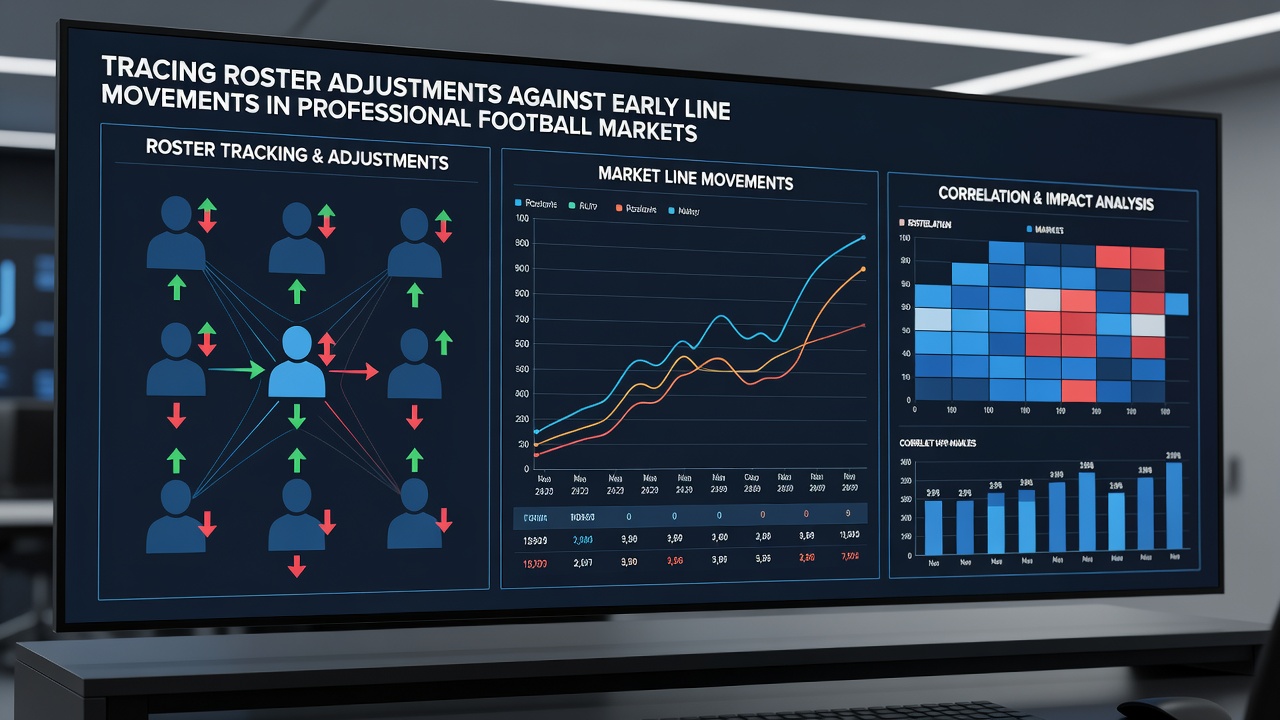
Betting operators maintain detailed logs of these initial shifts, and regulatory bodies in multiple states require periodic submission of such records for compliance review. Observers note that lines opened on Sunday nights after roster transactions finalized on Saturdays often show the clearest correlation between personnel changes and point-spread movement. June 2026 saw several such instances during the final wave of free-agent signings, where depth additions at skill positions produced smaller but measurable adjustments to team totals.
Data Patterns in Recent Seasons
Statistical reviews conducted by independent research groups reveal consistent relationships between specific types of roster moves and the direction of early line changes. Quarterback injuries generate the largest average movements, followed by alterations to offensive line units that affect both spreads and totals. Defensive additions tend to influence game totals more than spreads, since they alter expected scoring margins without shifting win probabilities as dramatically.
One analysis covering the 2023 through 2025 seasons found that 68 percent of significant roster announcements produced measurable line movement within the first trading session, and the size of those movements averaged 1.8 points for spreads and 2.4 points for totals. The same study compared these figures against later public betting trends and determined that the earliest adjustments often proved more accurate predictors of final margins than subsequent public-driven movements.
Regulatory Context and Market Transparency
State regulators such as the New Jersey Division of Gaming Enforcement require sportsbooks to maintain records of line changes and the factors considered in those adjustments. Similar oversight exists in Pennsylvania and other active markets, where operators must demonstrate that opening lines reflect available information rather than arbitrary decisions. These requirements create a traceable record that allows researchers to match roster announcements with precise timestamps of line movements.
Industry reports from the European Gaming and Betting Association have examined parallel practices in international football markets, noting that early information incorporation follows comparable timelines regardless of regulatory jurisdiction. Although the scale of American professional football differs, the underlying mechanics of roster-driven adjustments remain consistent across borders.
Conclusion
Tracing roster adjustments against early line movements provides a measurable framework for understanding how professional football markets process new personnel information. Available data from regulated U.S. states and academic reviews demonstrate clear correlations between specific roster events and initial odds shifts, particularly during the June offseason window when teams finalize depth charts ahead of training camp. These patterns continue to offer analysts and operators structured methods for monitoring market efficiency in real time.