Examining How Time Differences Affect Betting Patterns in International Soccer Leagues
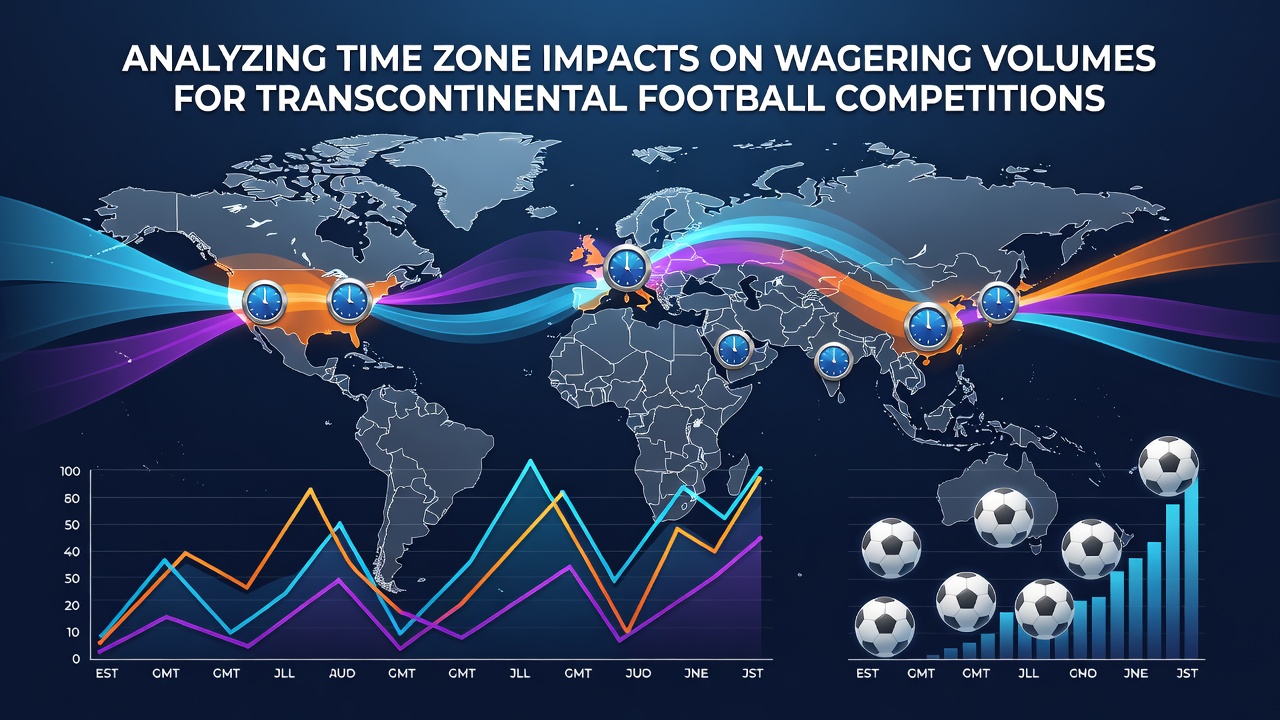
Transcontinental football competitions create unique challenges for wagering platforms because matches often occur at times that clash with local schedules in key betting markets. Observers note that European leagues playing in South America or Asian tournaments featuring teams from distant regions produce noticeable shifts in betting activity as bettors adjust to unfamiliar kickoff hours. Data from major operators shows volume spikes during evening hours in one region while other markets experience sharp drops when games start at dawn or midday locally.
Core Mechanics Behind Time Zone Effects
Football matches between teams separated by six to twelve hours generate distinct wagering rhythms because participants in each market respond differently to start times. A Champions League fixture kicking off at 3 p.m. Eastern Time reaches European audiences after work hours yet hits Asian bettors during early morning, and researchers tracking transaction logs find that Asian volumes often fall by thirty to forty percent in those windows. Platforms respond by adjusting liquidity pools and promotional offers to maintain balance across regions while regulatory filings in multiple jurisdictions record these volume variances month after month.
Volume Patterns Observed in Recent Competitions
During the group stages of the 2026 World Cup held in July 2026, matches involving European sides against South American opponents revealed clear time-based clustering. Bettors in the Americas placed the bulk of pre-match wagers between 6 p.m. and midnight local time whereas European markets showed elevated live betting once games entered the second half after midnight their time. Operators reported that total handle remained stable overall yet the distribution across time zones shifted noticeably compared with intra-European fixtures. One study released by the Canadian Centre on Substance Use and Addiction tracked similar patterns across multiple international events and confirmed that time misalignment consistently reallocates activity rather than reducing it.
Platform Adjustments and Market Responses
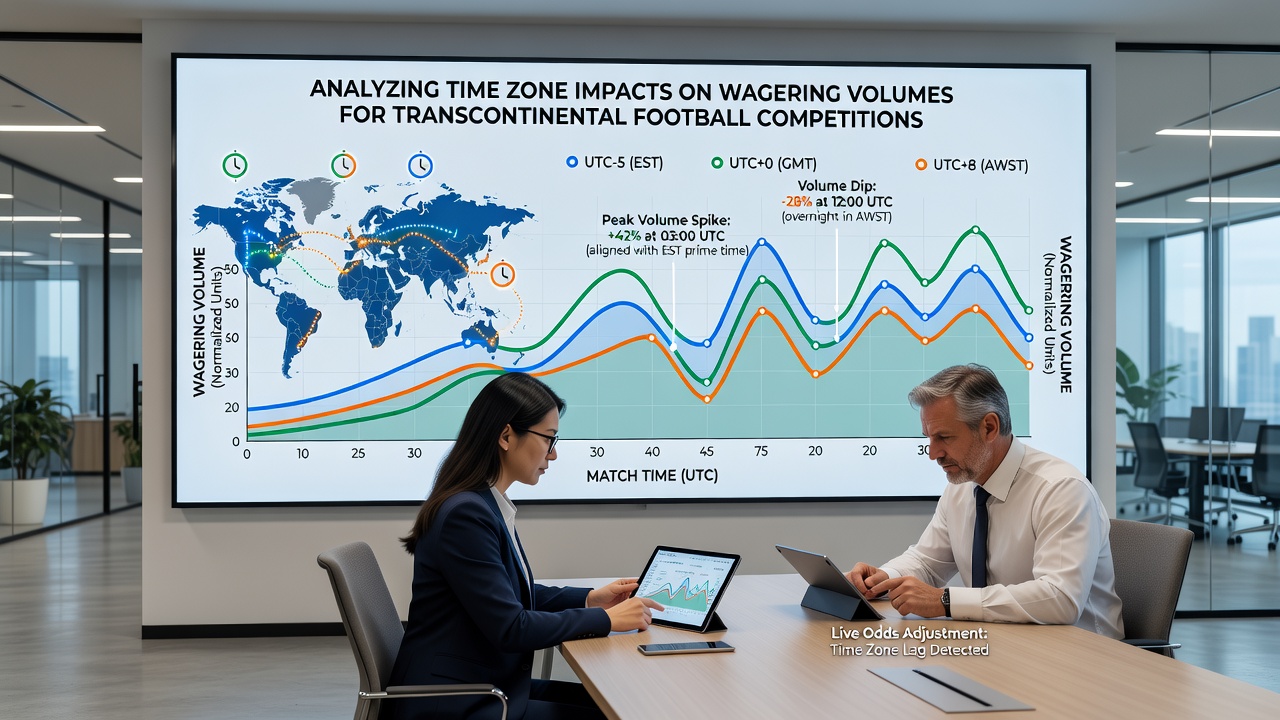
Betting companies deploy automated tools that monitor real-time traffic by geographic origin and then redistribute promotional credits or adjust odds margins to capture activity from whichever regions remain active. When a match starts at 2 a.m. in Western Europe, for instance, North American and Australian markets often carry higher late-night volumes, prompting operators to extend cash-out windows and push targeted notifications to users in those zones. Figures released by the American Gaming Association indicate that cross-border football events generate measurable spikes in mobile app sessions during non-traditional hours, and these patterns hold steady across several seasons of data. Those who manage risk desks note that liquidity providers must maintain deeper reserves during these periods to handle the uneven flow without widening spreads excessively.
Regional Regulatory Context and Data Tracking
Government agencies in Australia and Canada require detailed reporting on hourly transaction volumes for international sports, and these filings highlight how time zone mismatches influence responsible gambling interventions. Platforms must flag unusual activity that coincides with late-night or early-morning betting surges, and compliance teams use the same time-stamped datasets to calibrate player protection measures. A report prepared by the Australian Gambling Research Centre examined several seasons of transcontinental football and found that markets separated by eight or more hours produced the largest deviations in session length and bet frequency. Regulators in these jurisdictions now incorporate time-of-day analytics into routine audits rather than relying solely on aggregate monthly totals.
Future Considerations for Global Scheduling
Organizers of major tournaments increasingly weigh broadcast and betting market implications when setting kickoff times, yet the primary drivers remain stadium availability and television audiences. Still, the documented volume shifts across time zones encourage operators to refine their backend systems so that they can serve fragmented global audiences without creating bottlenecks. Evidence from multiple competition cycles shows that platforms able to synchronize promotions with peak activity windows in each region maintain steadier revenue streams even when individual markets experience temporary lulls. Those tracking these developments expect continued refinement of scheduling tools and risk models as more transcontinental fixtures enter annual calendars.
Conclusion
Time zone differences shape wagering volumes in transcontinental football by redistributing activity across regions rather than eliminating it. Data collected through regulatory channels and operator reports confirms that platforms adapt liquidity and promotional strategies to match these shifting patterns, while compliance frameworks incorporate time-based monitoring to support responsible practices. The 2026 World Cup provided fresh illustrations of these dynamics, and ongoing analysis from research bodies in multiple countries continues to refine understanding of how global scheduling intersects with betting behavior.