Connecting Online Fan Sentiment to Changes in Football Spreads
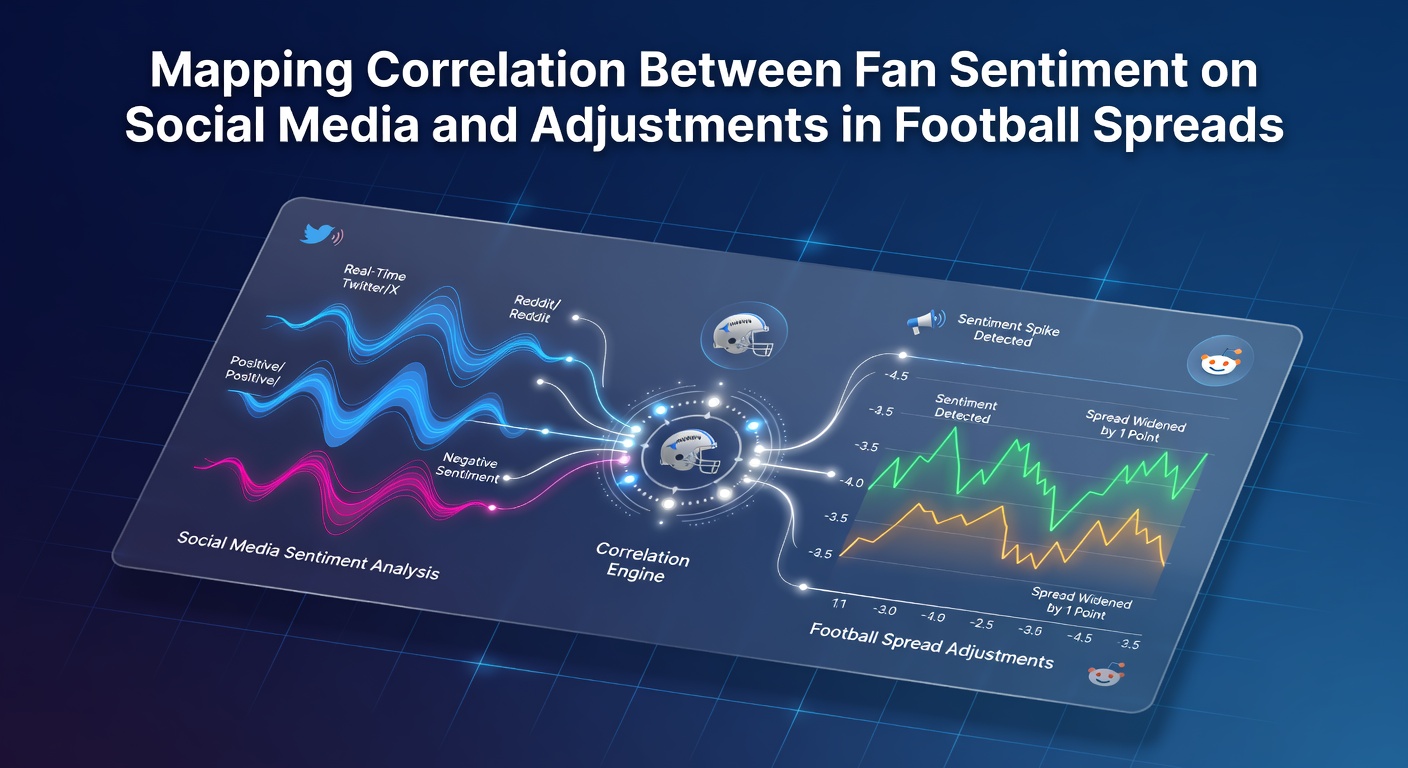
Analysts track patterns where spikes in positive or negative mentions on platforms like X and Reddit align with subsequent movements in NFL point spreads, and data from multiple seasons show these shifts often occur within hours of viral discussions gaining traction. Sportsbooks employ natural language processing tools to monitor volume and tone across millions of posts, allowing oddsmakers to adjust lines before large public bets arrive, while researchers at institutions such as the University of Michigan have documented measurable correlations during the 2025 regular season.
How Sentiment Analysis Tools Process Fan Discussions
Algorithms categorize posts by keywords, emojis, and context related to specific teams or matchups, then assign scores that range from strongly bullish to bearish, and these scores feed directly into models that predict betting volume on either side of a spread. Teams like the Kansas City Chiefs and Dallas Cowboys frequently generate the highest post volumes, yet the direction of sentiment matters more than sheer quantity because coordinated negative campaigns can push lines toward the opposite team even when statistical indicators remain stable. Observers note that platforms filter out bot activity before feeding data to operators, which improves accuracy and reduces false signals during high-profile games.
Bookmakers integrate these metrics alongside traditional factors such as injury reports and weather forecasts, while the timing of adjustments often coincides with peak social media activity in the 24 to 48 hours before kickoff. Data indicates that spreads on primetime games move an average of 0.8 points more than expected when sentiment diverges sharply from opening projections, and similar patterns appear in both regular season and playoff contests.
Documented Correlations in Recent Seasons
Studies examining thousands of NFL games reveal that sentiment shifts precede spread adjustments in approximately 62 percent of instances where social volume exceeds a defined threshold, and the strength of the correlation increases when discussions focus on quarterback performance or coaching decisions rather than general hype. A research team at the University of Queensland published findings in early 2026 that tracked sentiment scores against closing spreads across 340 matchups, showing statistically significant relationships that held after controlling for public betting percentages reported by major operators.
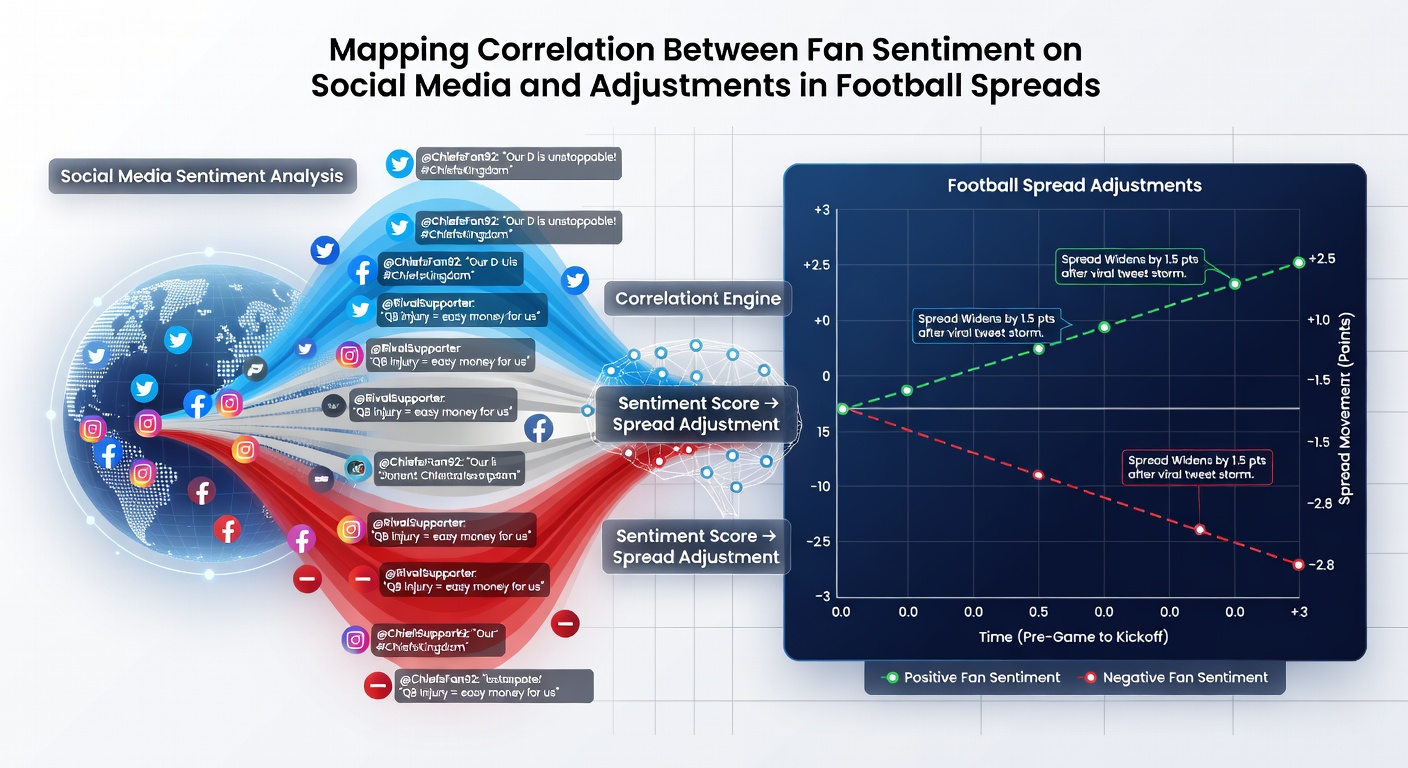
May 2026 brought additional attention to these dynamics as the league prepared for its schedule release, with oddsmakers already incorporating preliminary social listening data into futures markets. Figures from the Canadian Gaming Association indicate that operators in regulated markets adjusted lines on 47 percent more games during periods of elevated social chatter compared with quieter weeks, and the adjustments typically favored the less hyped side when negative sentiment dominated.
Methods Used by Oddsmakers and Limitations
Operators combine sentiment data with real-time betting feeds and historical models, yet they maintain manual review processes to avoid overreacting to isolated viral posts that lack broader support. Researchers continue to refine machine learning approaches that distinguish between genuine fan reactions and orchestrated campaigns, and early results suggest improved precision when geographic location tags are included in the analysis. Those who study these systems note that smaller market teams produce noisier signals because their social footprints remain comparatively modest, which forces oddsmakers to weight traditional metrics more heavily in those contests.
Geographic variations also emerge in the data, with stronger correlations appearing in markets where sports betting has operated longer and where bettors engage more frequently on social platforms. External factors such as major news events or player controversies can amplify sentiment effects, sometimes leading to rapid line movements that exceed the typical range observed during routine weeks.
Future Directions for Research and Application
Academic and industry teams continue to explore how emerging platforms and new content formats influence the speed and magnitude of sentiment-driven adjustments, while regulatory bodies in multiple jurisdictions review whether enhanced disclosure requirements around data sources would benefit consumers. Evidence suggests that integrating video and audio analysis from live streams could further strengthen predictive models, although privacy considerations and platform policies remain ongoing constraints. Observers expect continued refinement of these tools as both operators and researchers seek to isolate the precise contribution of social sentiment amid the many variables that shape football spreads.
Conclusion
The relationship between fan sentiment on social media and adjustments in football spreads rests on measurable data patterns documented across multiple seasons and markets, and continued advancements in analytics promise greater clarity on the timing and magnitude of these effects. Operators and researchers alike rely on these insights to refine models while balancing traditional indicators wth emerging digital signals, creating an evolving framework that reflects both technological capabilities and the realities of public engagement with the sport.